What Is a Mortise Lock and Why Do LA's Older Doors Rely on Them
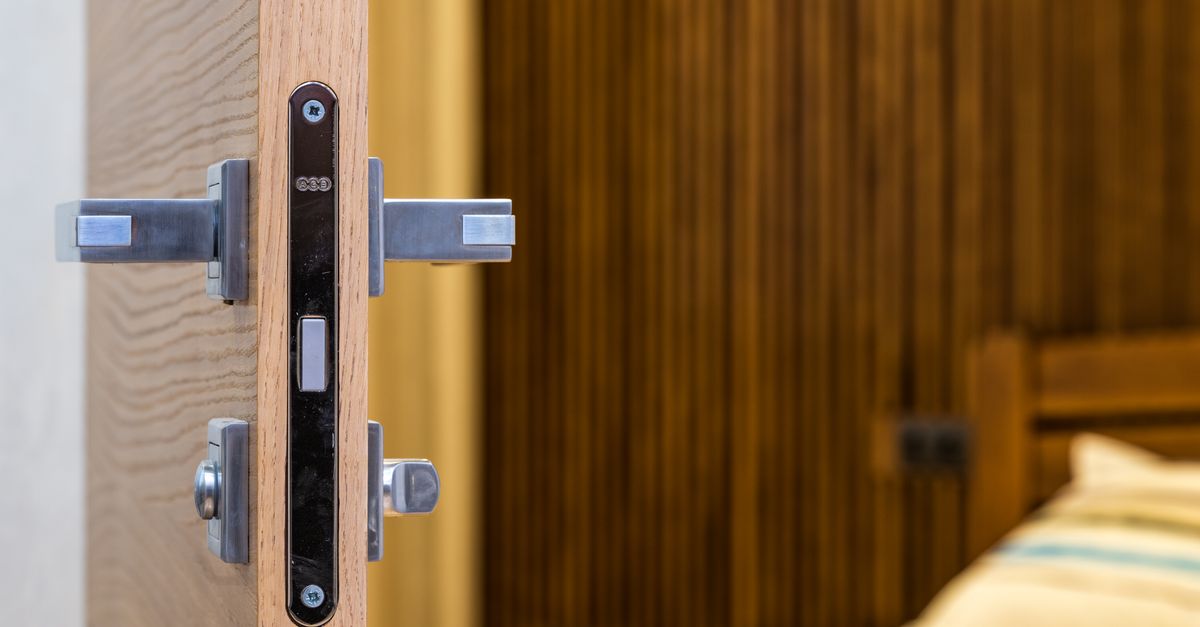
A mortise lock is a lock body that sits inside a precisely routed pocket — the mortise — cut into the edge of the door stave, rather than surface-mounted through a bored hole like a standard cylindrical lock. That internal fit distributes stress across a much wider area of the door, making the assembly significantly more resistant to kick-in and pry attacks. The visible hardware — trim plate, lever or knob, escutcheon, and mortise lock cylinder — is only the surface expression of a mechanism that can span the full interior width of a thick door stave. This is why architects specified mortise hardware for school buildings, apartment lobbies, and upscale residences throughout the early and mid-twentieth century, and why so many of those doors in Los Angeles are still swinging on the same frames today.
Modern architects and security-conscious homeowners are also returning to mortise hardware for new construction and renovation projects. A mortise lock set on an exterior door offers a level of structural integration that bored-hole hardware simply cannot replicate, and many premium product lines now include prep for smart lock installation — so you can pair a keypad or Bluetooth credential reader to the existing mortise body without replacing the door or the frame. If you are unsure whether your door currently has a mortise pocket or whether it can be retrofitted, our technicians can assess the stave thickness, wood species, and existing hardware on-site and walk you through every realistic option before any work begins.