Signs Your Door Knob Lock Needs to Be Replaced — Not Just Rekeyed
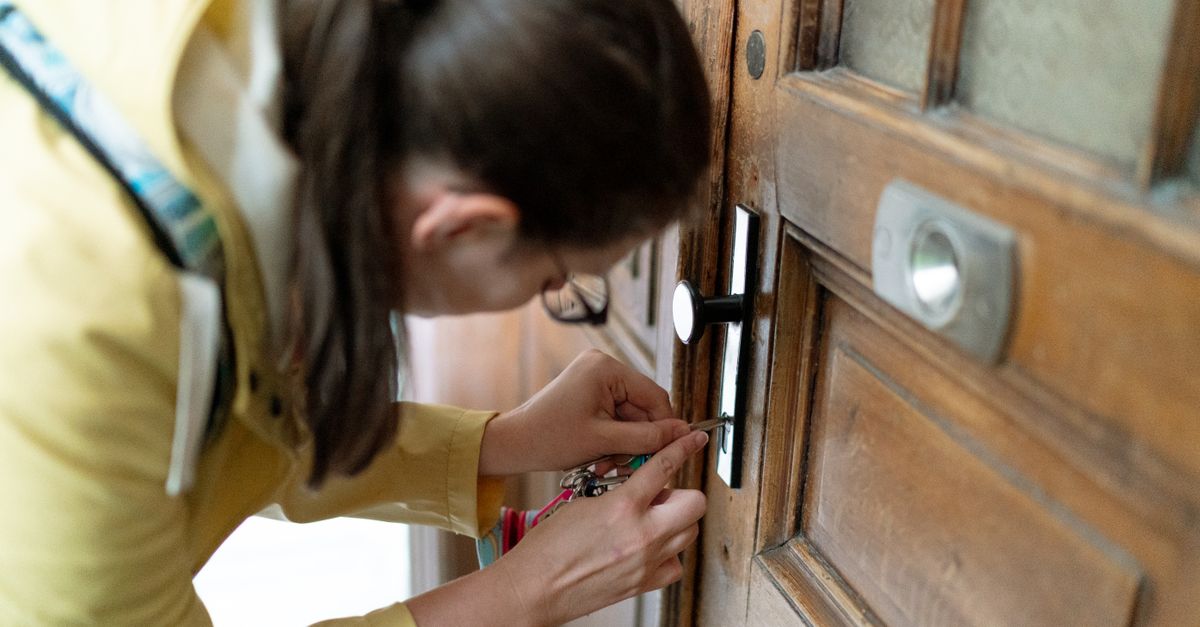
Many Los Angeles homeowners and business operators assume a misbehaving knob lock just needs rekeying or lubrication. Sometimes that is true — but there are clear mechanical signals that the hardware itself has reached the end of its service life. If the interior knob spins without retracting the latch bolt, if the exterior cylinder feels loose or wobbles visibly, or if keys have begun to catch and stick during normal rotation, the internal cam and spring mechanisms inside the lock body have likely worn down past the point of reliable adjustment. At that stage, a full door knob lock replacement is the safer, longer-lasting solution. The same applies after a break-in attempt: even if the door held, a stressed knob lock with a bent or compromised cam should be swapped before it fails at the worst possible moment.
Keyed entry sets in high-traffic Los Angeles properties — apartment buildings on Western Avenue, small retail storefronts near Melrose, multi-unit complexes in East Hollywood — cycle through thousands of lock-and-release motions every year. Standard residential grade knob locks simply are not built to handle that volume indefinitely. Our technicians evaluate not just the cylinder but the full latch mechanism, the strike plate alignment, and the door-frame condition before recommending replacement parts. We carry a range of Grade 1 and Grade 2 keyed entry hardware, including Schlage and Kwikset product lines, so we can match the security rating and finish to what your property actually needs.