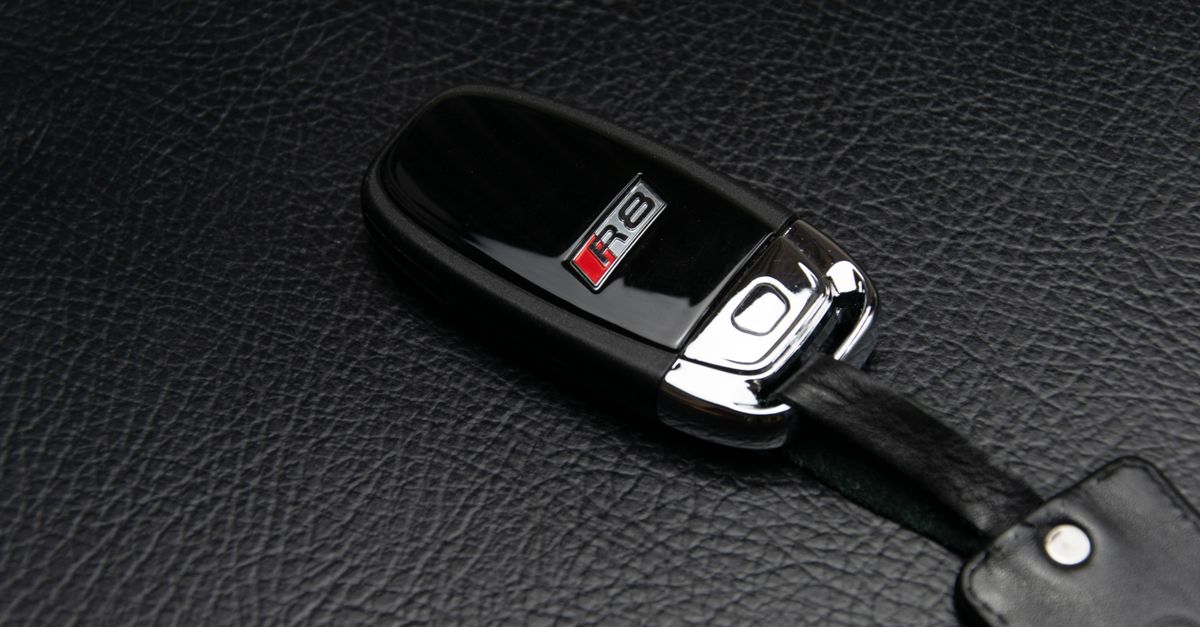
Why Audi Key Replacement Requires Specialized Equipment
Audi has progressively upgraded its key technology across decades of model years, and each generation demands a different approach. Older A4, A6, and TT models may use a basic transponder chip that must be cloned or programmed to match the car's ECU, while newer vehicles — Q5, Q7, A3, A6, and the e-tron lineup — use proximity smart keys with rolling encryption codes that pair wirelessly with the car's keyless entry and push-button start system. A standard hardware store key cutter cannot duplicate these keys, and a generic scan tool will not program them. Our technicians carry professional-grade key programmers and a full inventory of Audi-compatible key blanks and fob shells, so the work is done correctly on the first visit.
Beyond the electronics, the physical cutting of an Audi key matters. Many Audi models use a high-security laser-cut or sidewinder blade — the kind with the distinctive S-curve that winds through the center of the key rather than along the edge. These cuts are machined to extremely tight tolerances, and a key cut even slightly out of spec will cycle the ignition without turning it. Our mobile cutting equipment is calibrated specifically for these profiles, ensuring the mechanical and electronic components work together the moment the new key is introduced to the car.